 Call
 Text
 Book Now


Sleep disordered breathing is a term for patterns of breathing during sleep that are not as open, smooth, or efficient as they should be. It can include loud snoring, mouth breathing, pauses in breathing, or restless, unrefreshing sleep. It is more than an annoyance, because the way you or your child breathes at night can quietly influence daytime energy, work or school, and long-term health, including blood pressure and heart health.
Our practice in Paramus, NJ takes a functional, airway-focused and esthetic approach. We look beyond teeth alone to the oral cavity, facial structures, airway, musculature, and neuromuscular patterns. When these are structurally sound and functionally efficient, they can better support systemic health, longevity, and facial integrity over time. This page is for adults and for parents seeking clear, calm information about sleep disordered breathing. A thorough evaluation is the first step in understanding what is happening and whether airway-centered care may be appropriate for you or your child.
Sleep disordered breathing can show up in subtle ways. In adults, common signs can include loud or habitual snoring, gasping or pauses in breathing during sleep (often noticed by a partner), mouth breathing, dry mouth in the morning, teeth grinding, morning headaches, daytime fatigue, trouble focusing, and feeling unrefreshed even after a full night in bed.
In children and teens, signs like mouth breathing, snoring, or restless, noisy sleep are worth mentioning. Sleep apnea is less common in children than in adults, but it can happen at any age, and Dr. Cassandra recommends that children with signs of sleep disordered breathing be seen by a dentist as soon as these are noticed. These examples are for general education only and are not a diagnosis. Our role is to help connect breathing patterns and sleep quality with overall wellbeing, so you can decide whether a more detailed airway-focused evaluation in Paramus is the right next step.


Lasting improvement with sleep disordered breathing often begins with seeing the full picture. Rather than focusing on a single symptom, we look at how structure, function, and everyday habits work together. This helps us understand what may be contributing to interrupted or inefficient breathing at night and how to support healthier patterns.
We begin with a detailed look at the airway, jaws, bite, tongue posture, oral cavity, and facial structures. This helps identify patterns such as narrow arches, crowding, mouth breathing, or tongue position that may influence airflow during sleep. The goal is to understand why breathing may be challenged, not just to label a symptom.
Functional esthetics means that how your smile and face look is closely tied to how they function. By considering jaw position, arch form, and facial balance with the airway in mind, we can explore options that support both appearance and the potential for more open, efficient breathing patterns over time.
No two patients are alike. After evaluation, we discuss findings in clear language and outline possible next steps that fit your age, health history, and priorities. When helpful, we can refer you to a sleep specialist and share our findings with your physician, so dental and medical care can work together to support your sleep and breathing.
Breathing, posture, and muscle use are habits as much as structures. As appropriate, we provide guidance and follow up on everyday habits, such as sleep position and keeping the jaw relaxed, to help new patterns take hold. The aim is to support lasting changes that contribute to long-term comfort, function, and facial integrity.
Your first visit is designed to be comfortable, thorough, and informative. We begin with a detailed conversation about your health and sleep history, current concerns, and goals. For children, this often includes discussing growth and development, along with anything you have noticed about their sleep or breathing.
We then perform a clinical examination of the oral cavity, bite, tongue posture, and facial structures, paying close attention to signs of mouth breathing, narrow arches, or other features that may influence the airway. As appropriate, we may recommend imaging or other airway-focused assessments, which we will explain at your visit. Throughout the process, there is plenty of time to ask questions. At the end, you receive personalized recommendations, which may include a custom oral appliance, practical habit guidance, or a referral to a sleep specialist for a sleep study when indicated.

For many adults, sleep disordered breathing shows up as snoring, fragmented sleep, trouble concentrating, or simply feeling worn out despite going to bed on time. Airway-focused dental care in Paramus can help explore whether jaw position, bite, tongue posture, or oral habits are contributing to reduced airflow at night. By considering both functional esthetics and breathing, we aim to support clearer thinking during the day, more comfortable sleep, and long-term systemic wellbeing, recognizing that individual needs and responses vary.

In children and teens, a dental visit is a chance to look at how the teeth and jaws are developing alongside any sleep or breathing concerns. Mouth breathing, crowded teeth, and narrow arches can be outward signs that the airway deserves a closer look. We look at how jaw development, palate width, and tongue posture relate to the airway, and an early orthodontic evaluation, often suggested between about ages 4 and 7, can help guide growth and development when appropriate, always with age-appropriate, individualized planning.
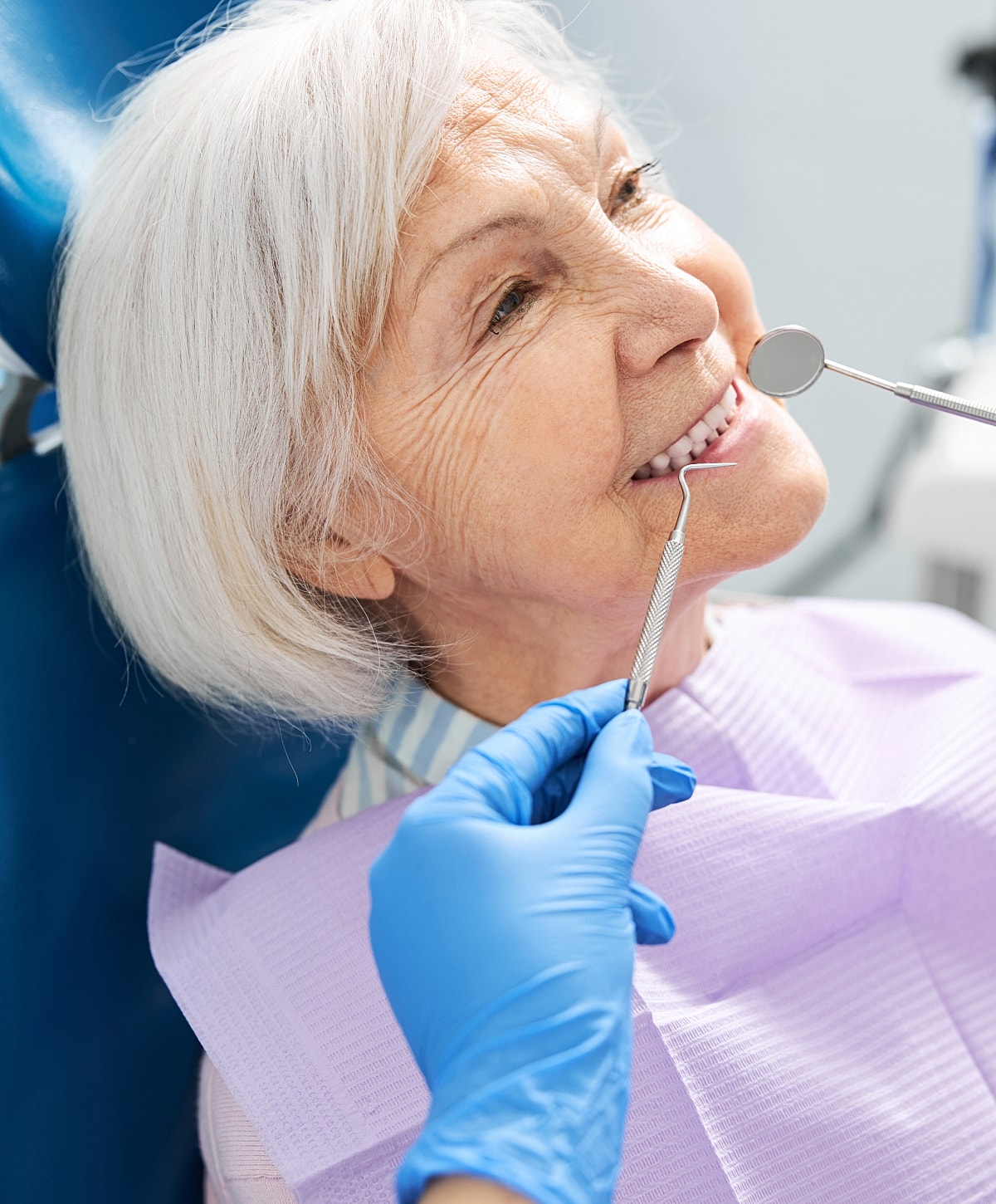
Features such as narrow dental arches, a recessed jaw, or chronic mouth breathing can influence both facial appearance and how air moves during sleep. Our facial balancing evaluations also consider airway patterns, so breathing, comfort, and appearance can be planned together rather than separately. Rather than chasing cosmetic changes alone, we focus on strategies that consider long-term structure, comfort, and breathing efficiency together.

Sleep is when the body repairs, regulates, and resets. When breathing is repeatedly interrupted, it can place strain on many systems over time. By examining the airway, jaws, bite, and oral habits through a functional lens, we aim to support more restorative sleep that aligns with long-term health, energy, and resilience. Each person’s situation is unique, so we use evaluation findings to help you understand your own risk factors and potential paths forward.

The space available for air to move during sleep is shaped by many factors, including palate width, jaw position, and tongue posture. A narrow upper arch, retruded jaw, or low tongue posture can reduce the room available for the airway, especially when muscles relax at night. Whether in a growing child or an adult, these structural relationships can influence how easily air flows with each breath.
We look closely at nasal versus mouth breathing, lip seal, and how the tongue rests and functions throughout the day. When the oral environment is structurally sound and functionally efficient, it can encourage more stable neuromuscular patterns that support open, consistent airflow over time. Our focus is on supporting longevity, energy, and facial harmony by aligning structure and function as well as possible for each individual. Because every person is different, evaluation is essential to understand your specific needs and to discuss realistic expectations together.

Once we understand your airway, oral structures, and breathing patterns, we can talk through potential treatment directions in clear, practical terms. Depending on your findings, care may include a custom oral appliance that gently holds the lower jaw forward during sleep, along with practical guidance such as sleeping on your side and limiting alcohol or sedatives before bed.
Every treatment plan is individualized. Some people may primarily benefit from dental care, while others may be best served by combining it with care from a sleep specialist, who can recommend the right treatment for more involved cases. Our role is to help you understand your options, coordinate when appropriate, and provide a caring, professional environment that supports better sleep, easier breathing, and long-term health to the extent possible for your unique situation.

Many families and adults decide to seek an evaluation when snoring, restless sleep, or concerns about breathing have been present for a while, or when questions come up about a child’s breathing or jaw development. If you find yourself wondering whether night-time breathing is affecting your or your child’s daytime life, an airway-focused assessment can offer clarity.
Before your visit, it can be helpful to note sleep habits, daytime energy levels, or any patterns you have observed. We will review these together and outline a general roadmap so you know what to expect. Care is typically a process that unfolds over time, with periodic follow-ups to monitor changes and support long-term stability. If you have questions or would like to explore whether an evaluation is right for you, you are welcome to contact our Paramus office to start the conversation.
Addressing sleep disordered breathing is about more than quieter nights. It is about taking a thoughtful look at how your airway, teeth, jaws, muscles, and facial structures work together, and how that affects your overall health and the way you feel each day. Our functional esthetics focus means we pay attention to both form and function, with an eye toward long-term facial integrity and systemic wellbeing.
If you live in Paramus, NJ or the surrounding communities and are seeking calm, informed guidance about sleep disordered breathing, we welcome you to connect with our team. We offer thorough evaluations, clear explanations, and individualized planning within a warm, professional setting. When you are ready, reach out to ask questions or schedule a consultation so we can explore the next best steps for you or your child together.
Sleep disordered breathing describes a spectrum of breathing disturbances during sleep, ranging from frequent snoring to more significant reductions or pauses in airflow. While occasional soft snoring can sometimes be harmless, louder or habitual snoring, gasping, or labored breathing may indicate that the airway is not staying as open as it should. Our role is to evaluate the structures and habits that influence your airway, so you can understand whether your snoring or other symptoms may be part of a broader breathing pattern that deserves attention.
An airway-focused dentist evaluates how the teeth, jaws, tongue, palate, and facial structures affect the space available for air to move, especially at night. Crowding, narrow arches, certain bite relationships, and mouth breathing can all influence the airway. By addressing these factors through appropriate dental interventions and by guiding oral and neuromuscular habits, we may help support more efficient airflow. Because sleep apnea is diagnosed by a physician, often with a sleep study, we may coordinate with medical providers when testing or care outside of dentistry is appropriate.
In children, signs worth mentioning include mouth breathing, habitual snoring, or noisy, restless sleep, and a dental exam can also check for oral tethers, open bites, or crossbites that could affect jaw development. None of these signs alone provide a diagnosis, but together they can signal that an airway-focused evaluation would be helpful. At our Paramus office, we take time to review your observations and examine your child in a calm, age-appropriate way.
During an evaluation, we review your medical and sleep history, discuss current symptoms or concerns, and perform a detailed examination of the oral cavity, bite, tongue posture, and facial structures. We look for patterns that may affect the airway, such as mouth breathing, narrow arches, or certain jaw positions. When useful, we may recommend imaging or additional assessments, which we will explain in clear, everyday language. At the end, we share our findings and outline potential next steps tailored to your situation, including when it may be beneficial to involve other healthcare providers.
People seek help at many different stages, from mild concerns and early signs to more noticeable symptoms. You do not need to wait until a problem feels severe to benefit from understanding your airway and breathing patterns. Treatment timelines vary widely based on age, structural findings, and the type of care recommended. An oral appliance may take a few mornings to get used to, while orthodontic care, when it is part of the plan, often takes one to three years. During your consultation, we discuss an estimated timeline so you have a realistic sense of the process.
In many cases, the most comprehensive care comes from collaboration. Depending on your needs, we may recommend that you also see a sleep specialist, who may suggest a sleep study, and keep your family doctor informed along the way. An evaluation with our airway-focused, functional esthetics practice can be a good fit if you or your child experience ongoing snoring, unrefreshing sleep, daytime drowsiness, or questions about jaw growth and development. Our goal is to provide clear information so you can make confident, well-informed decisions about next steps.


(201) 261-7645
Mon & Wed: 8 AM - 5 PM
Tues & Thurs: 10 AM - 6 PM
Friday: 9 AM - 3 PM
First Saturday of Month: 8 AM - 1 PM


